Brow Lift in San Francisco
If your eyebrows have started to drift downward or your forehead feels heavy, you’re not alone. Aging, genetics, and even repeated facial expressions can all cause drooping brows, frown lines, and forehead wrinkles that make you look more tired or upset than you really feel. A brow lift in San Francisco can restore a brighter, more youthful appearance by raising the brows, smoothing forehead lines, and opening up the eye area.
At Pacific Plastic Surgery Group, our board-certified surgeons specialize in both cosmetic and reconstructive surgery of the face. With advanced techniques and a personalized touch, we help patients achieve natural-looking results that bring balance back to their facial features.







1 of 3
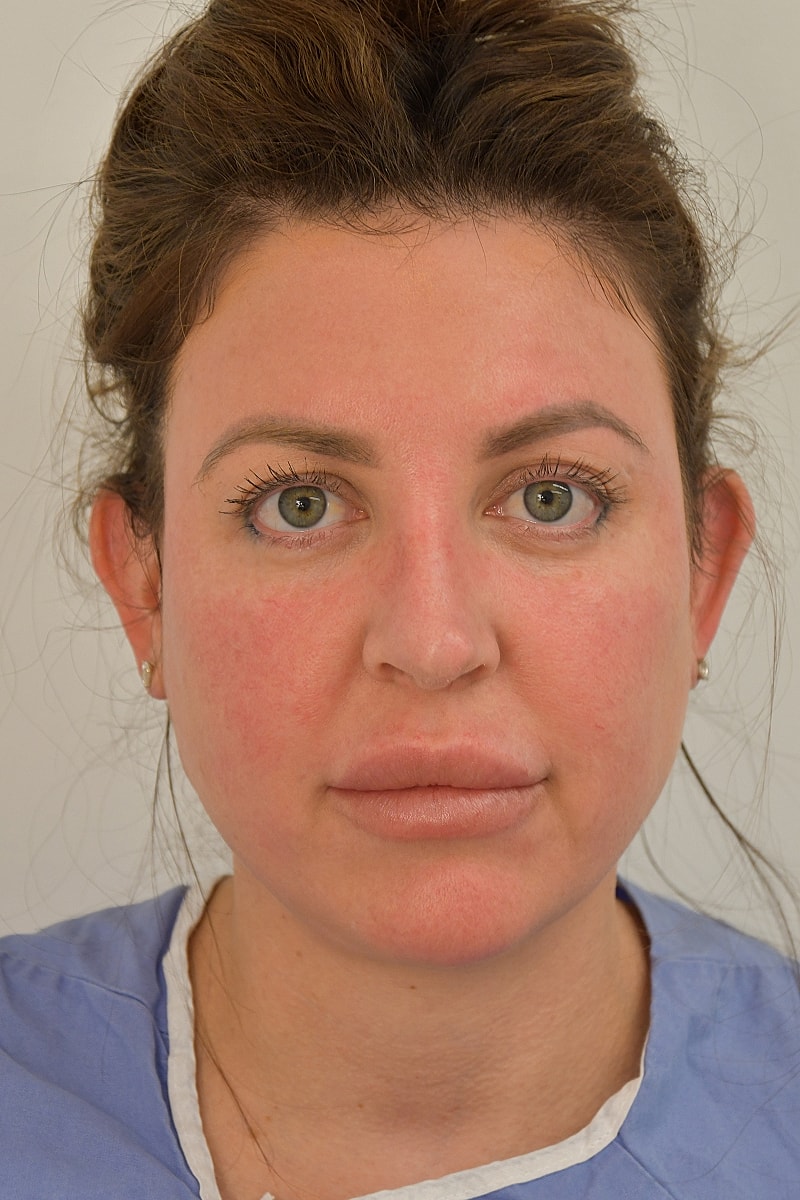
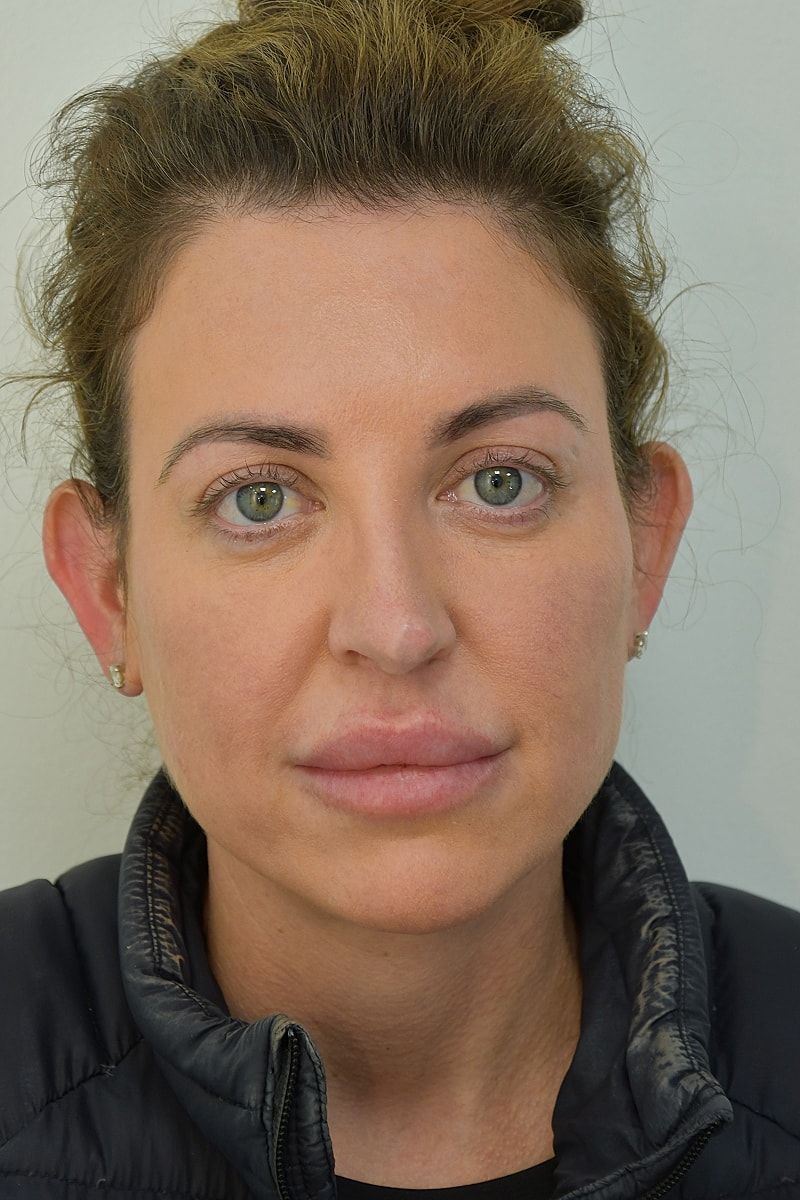
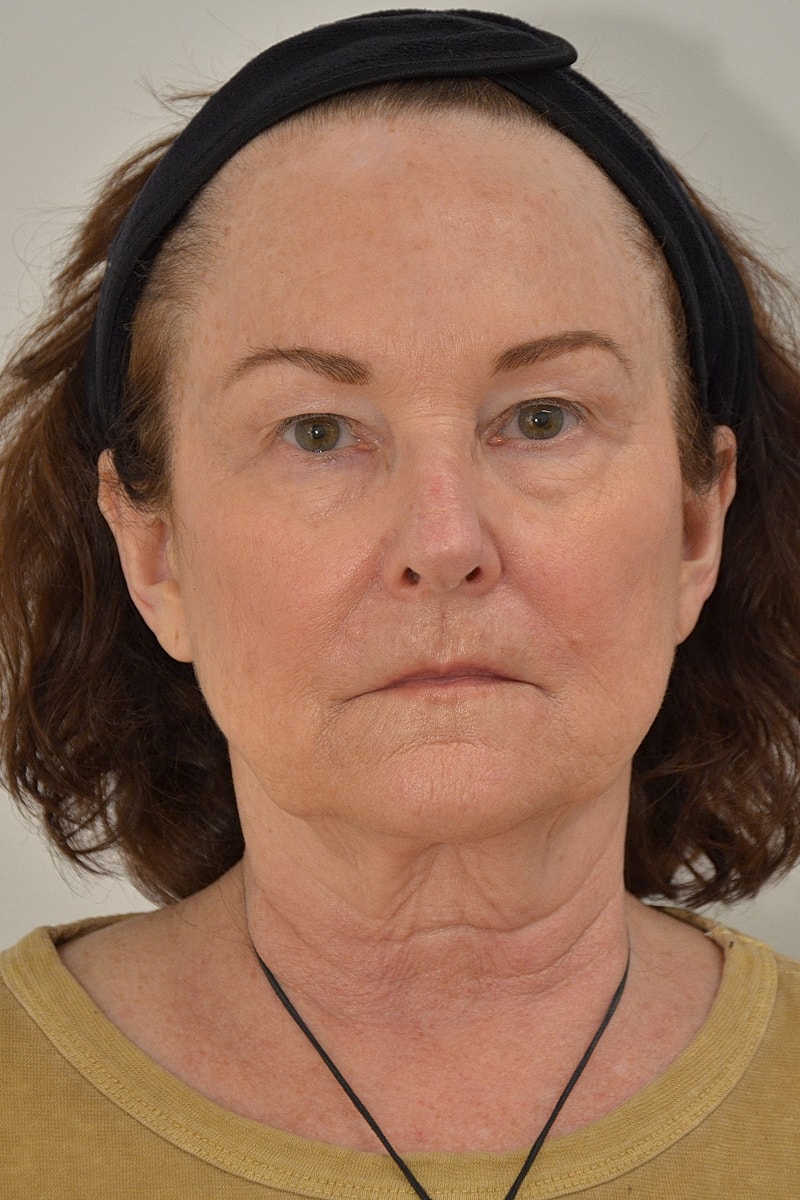
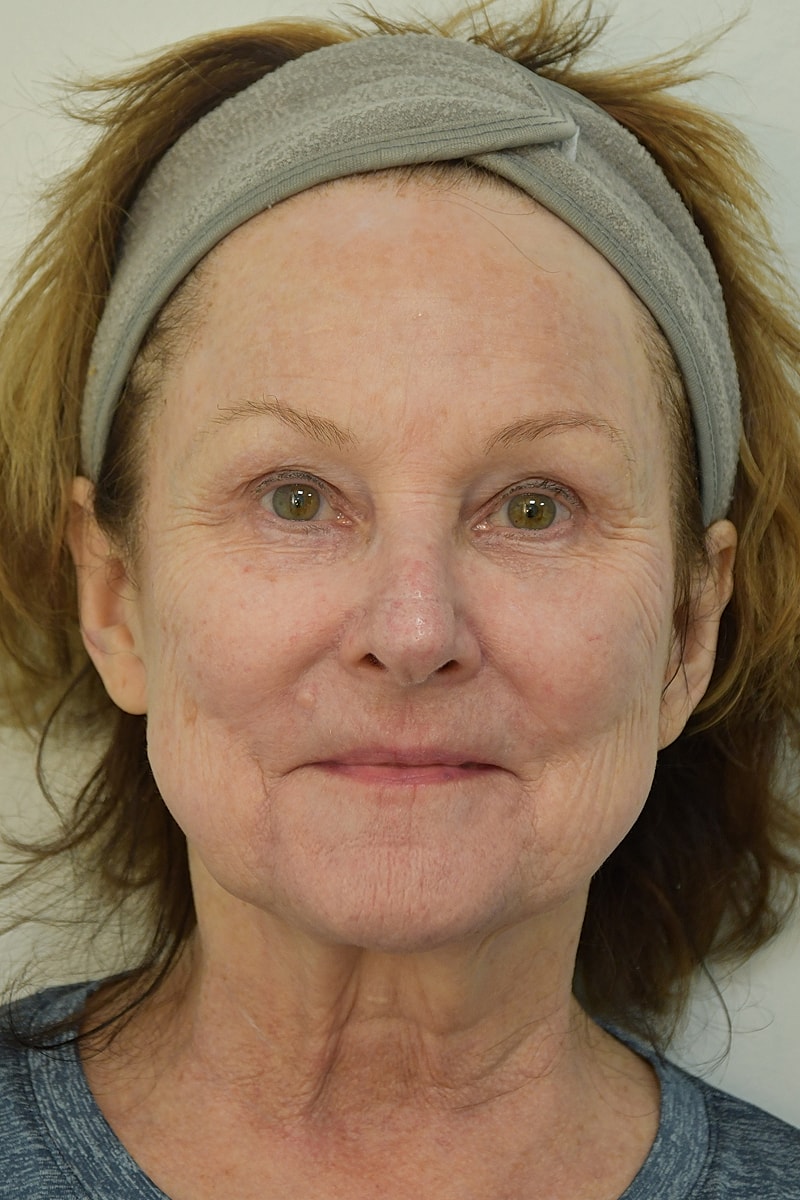
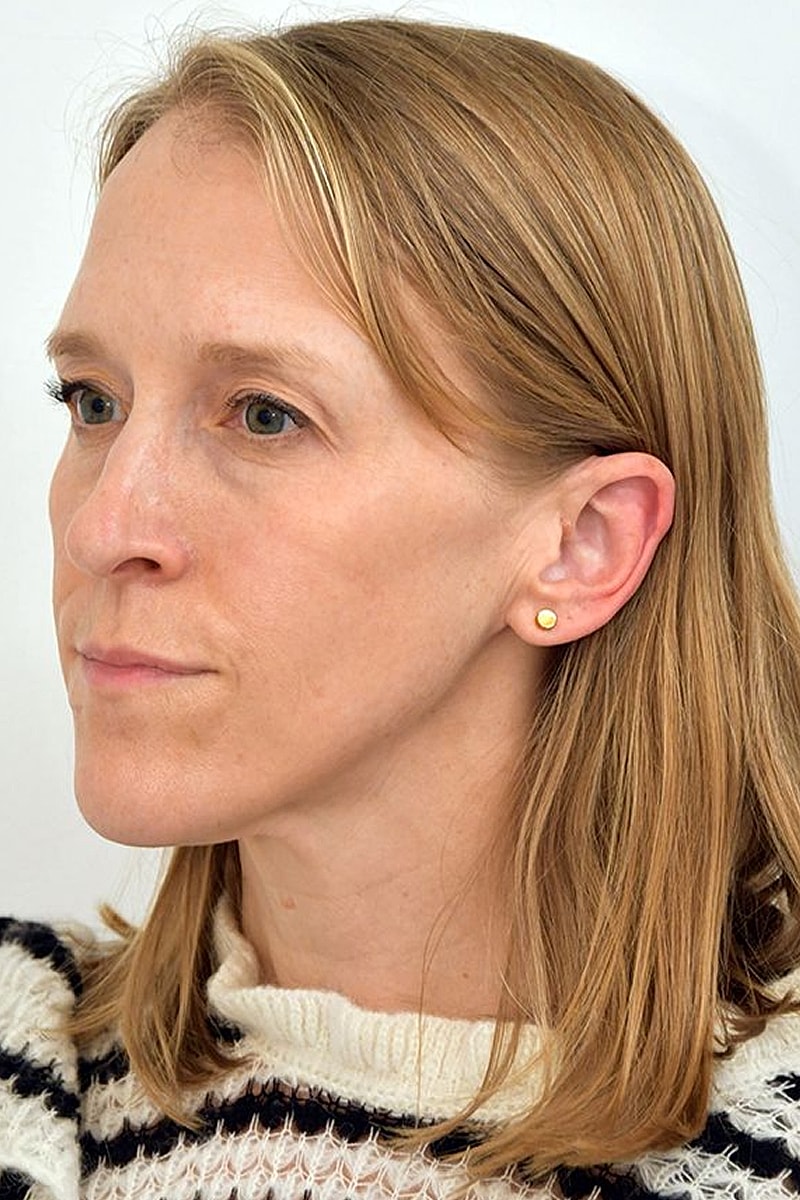
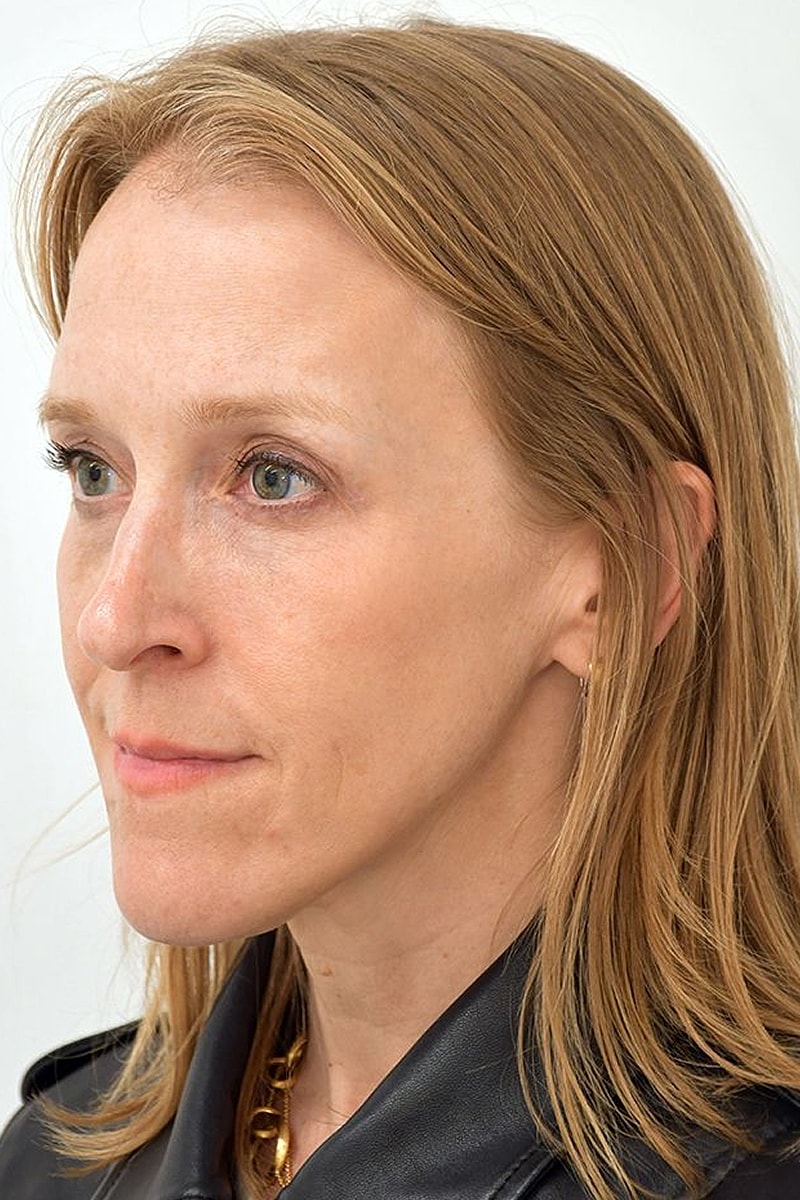
A brow lift, sometimes called a forehead lift or forehead lift surgery, is a plastic surgery procedure designed to reposition the eyebrows to a more youthful height and improve the appearance of the upper face. By lifting the brows and tightening the forehead skin, the surgery can smooth out forehead wrinkles, soften frown lines, and reduce the appearance of drooping eyebrows.
There are several variations of a brow lift, including the coronal brow lift, temporal lift, and minimally invasive endoscopic techniques. Each approach is customized to your facial anatomy and personal goals. The ultimate objective is to refresh your look without making you appear “overdone.”

A brow lift improves the upper third of the face and is often chosen by patients who notice their brows resting lower than before, sometimes creating a heavy or angry appearance. Many patients also experience excess skin on the upper eyelids, forehead lines, and frown lines that make them look older or more fatigued. The procedure can also help with asymmetrical brows or a forehead that feels too high or unbalanced. Whether it’s the entire forehead or just the lateral brow that needs adjustment, the surgery restores harmony and softens the overall expression.
Patients find that a brow lift not only refreshes their appearance but also boosts their confidence. Some of the most common benefits include:
A long-lasting improvement compared to non-surgical treatments

Your experience begins with an initial consultation, where your surgeon will review your medical history, evaluate your facial anatomy, and create a personalized surgical plan. Depending on your needs, your surgeon may recommend one of several techniques.
An endoscopic brow lift uses small incisions hidden within the hairline, with a tiny camera to guide the surgeon in lifting tissue and repositioning the brows. This minimally invasive option often means shorter recovery times and less chance of visible scarring. A temporal lift, also called a lateral brow lift, focuses on raising the outer portion of the brow and smoothing wrinkles around the temples and crow’s feet. Patients with more significant sagging may benefit from a coronal lift, where an incision is made across the scalp to lift the entire forehead. Those with a high forehead or thinning hair may be better candidates for a hairline or pretrichial lift, which places the incision right at the hairline to avoid raising the forehead height further.
The procedure is usually performed as an outpatient procedure under either local anesthesia with sedation or general anesthesia, depending on your treatment plan.
Most patients begin to notice changes soon after surgery, though some swelling and bruising are expected during the early healing period. Over the course of a few weeks, the forehead becomes smoother, the brows rest in a naturally elevated position, and the eyes appear more open and refreshed. The improvements often last a decade or longer, although the natural aging process will continue over time.

While both procedures rejuvenate the upper face, they target different concerns. A brow lift repositions the brows and smooths the forehead, making it ideal for patients with drooping brows, forehead lines, or deep frown lines. Eyelid surgery (blepharoplasty) focuses on removing excess skin and fat from the eyelids themselves, which is especially helpful for puffiness or sagging skin. In many cases, the procedures complement each other and are performed together for a comprehensive refresh.

Because the upper face has such a profound effect on overall expression, many patients choose to combine a brow lift with other procedures. An upper eyelid lift is a common pairing when excess eyelid skin is also present. A facelift may be added to rejuvenate the mid and lower face at the same time. Non-surgical treatments such as Botox or dermal fillers can also enhance results by addressing fine lines or restoring volume. Your surgeon will help design a treatment plan that makes sense for your goals and your lifestyle.
Selecting where to have your brow lift in San Francisco is just as important as the procedure itself. At Pacific Plastic Surgery Group, our board-certified surgeons combine years of expertise in both cosmetic and reconstructive surgery with a commitment to artistry and patient-first care. Every treatment plan is individualized, every incision line is thoughtfully placed, and every result is designed to look natural. Patients find our supportive approach—from consultation through the recovery process—makes the experience as comfortable as possible while delivering the outcome they envisioned.

The costs involved in a brow lift vary depending on the technique used, the type of anesthesia, and whether the surgery is combined with other procedures. During your consultation, you’ll receive a personalized estimate that includes the surgeon’s fees, facility costs, and anesthesia. While insurance does not usually cover cosmetic brow lift surgery, in some cases where reconstructive surgery is needed because drooping brows interfere with vision, partial coverage may be possible.
Most patients go home the same day of surgery. Recovery generally includes keeping the head elevated to reduce swelling, avoiding strenuous activities for a couple of weeks, and following all aftercare instructions closely. Bruising and swelling improve gradually, and most people feel comfortable returning to work or social activities within 10 to 14 days. While rare, potential complications can include temporary numbness, hair loss near the incision lines, or unfavorable scarring. Your surgeon will discuss these risks and explain how they are minimized with careful planning.

You don’t have to live with drooping brows or forehead lines that make you look older than you feel. At our practice in San Francisco brow lifts can restore your natural expression and give you the refreshed look you’ve been waiting for.
Schedule a consultation today and take the first step toward a more youthful, confident appearance.
A brow lift can be performed through several techniques, including endoscopic, temporal, or coronal approaches. Incisions are placed either in the hairline or natural creases, and the forehead tissue is gently lifted to reposition the brows.
Results typically last 10 to 12 years, though the aging process continues naturally.
There is no set age, but most patients consider surgery in their 40s to 60s, once sagging and forehead lines become more noticeable.
Most patients describe a sense of tightness or pressure rather than pain. Discomfort is usually mild and managed easily with medication.
The procedure enhances the appearance of the eyes by lifting the brows but does not change their natural shape.
Like any plastic surgery procedure, risks include swelling, bruising, numbness, or scarring. These are typically temporary or minimized with proper technique and care.
Incisions are placed discreetly, often in the hairline, so scars are minimal and well hidden once healing is complete.